4/8/2026 - 11/29/2026
Imprints on the Century: The Koç Group and the Arts
Yapı Kredi Culture and Art
Founded three years after the proclamation of the Republic of Turkey, the Koç Group is now celebrating its centennial! As Yapı Kredi Culture Arts and Publishing, we have decided to chronicle this centennial story based on the Koç Group’s contributions to Turkey’s cultural and artistic life. In 1926, Ahmet Vehbi, still in his twenties, registered the businesses he had inherited from his father with the Ankara Chamber of Commerce. The successful journey thus set in motion in Ankara would encompass major industrial and commercial ventures, as well as lasting cultural and artistic institutions that contribute to the preservation of Turkey’s cultural heritage. Imprints on the Century weaves a multidimensional, colorful historical narrative of the Koç Group and this heritage in the context of the social, cultural, and artistic developments of the past century. For this reason, we chose to conceive the exhibition as a timeline, stretching from the 1920s to the present day. Revolving around the Koç Group’s accomplishments in the field of culture and the arts, the timeline seeks to depict as broad a picture as possible while highlighting a selection of developments that have left a deep imprint on Turkey’s cultural and social history. Showcasing such a rich legacy, the exhibition adopts an impression-based and eclectic curatorial approach, striving—within the limits of space and time—to reflect the endeavors of the cultural institutions affiliated with the group.
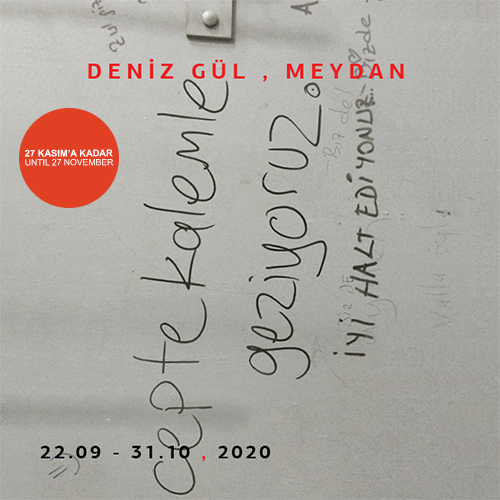
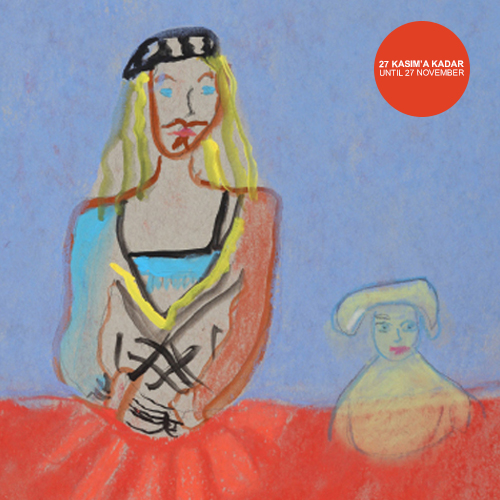
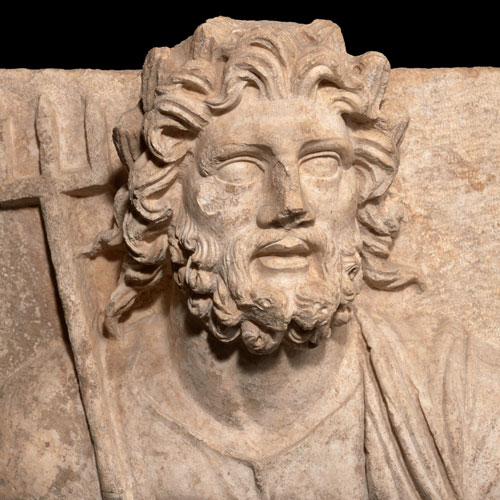
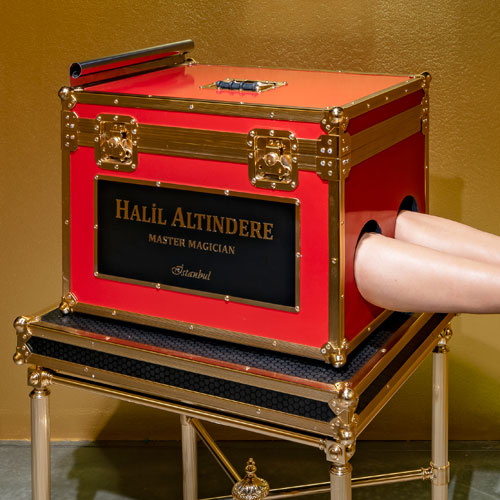
Imprints on the Century unfolds through a narrative of artworks and archival materials, focusing on the group’s institutional collections. Including photographs and documents, as well as a selection of artworks and artifacts from these collections, the exhibition sheds light on the distinct approaches of each institution. Spanning a vast array of fields—such as architecture and design, archaeology and contemporary art, ethnographic artifacts and industrial design, restoration projects and collections—it offers a unique opportunity to gain a comprehensive understanding of the group’s relationship with art. Emphasizing the preservation of cultural memory and art, the importance of critical thinking, and the production of new artworks, it presents multiple initiatives from both the public and private sectors. The exhibition’s atmosphere derives from the warm and engaging environment created by the chronological unfolding of details, experiences, and stories found within the archival collections. With the exhibition Imprints on the Century, Yapı Kredi Culture Arts and Publishing celebrates the Koç Group’s 100th anniversary by shedding light on its sincere and steadfast support for culture and the arts.
One of the starting points of the exhibition stemmed from Sadberk Koç’s (1908–1973) longstanding dedication to collecting historical objects from antique shops, her subsequent interest in establishing a museum, and her passion for preserving cultural heritage. The museum was eventually founded in 1980 and, after Sadberk Hanım’s passing, was further developed, thanks to the unabated efforts of her daughter, Sevgi Gönül, not only to honor her wishes but also to keep her memory alive and share this precious collection with the public. Another significant source of inspiration for the exhibition was the following words from Ömer Koç, demonstrating his acute awareness of the reflective space enabled by art: Collecting is something that used to be referred to in the old language as ‘devâ nâ-pezir’—in other words, a disease for which there is neither cure nor remission. Once you catch it, it cannot be remedied. In fact, aside from his dedication as a collector, the reflective and emotional depth achieved by the exhibitions conceived around the Ömer Koç Collection reveals his remarkable impulse to share. Each exhibition of these priceless and fascinating collections, assembled according to personal interests, triggers different areas of interpretation and comparison, and produces new implications. Yet another point of departure for Imprints on the Century was Rahmi M. Koç’s statement from the introductory text marking the establishment of the Rahmi M. Koç Museum, the most wide-ranging private industrial museum in Turkey: I remember having collected and accumulated mechanical and industrial objects ever since the day—I don’t recall how old I was at the time—when my father, Vehbi Koç, brought me my very first electric train from Germany. Over the years, that collection grew to such an extent that neither the room in my homes, offices, or warehouses sufficed to accommodate it any longer. The sincerity in those lines from Rahmi M. Koç’s remarks echoes the humble and modest approach resulting in the museum’s down-to-earth and welcoming environment.
Mirroring the evolution of the Koç Group from a family business into a solidly rooted corporate structure, the growing public role of these collections also constituted a step toward institutionalization. By complementing this narrative with illustrative examples of social and cultural life in Turkey, the exhibition stresses, once more, the role assumed by private ventures in the institutionalization of art. A celebratory exhibition consisting of four sections, Imprints on the Century focuses on the contribution of private ventures—shaped independently of official cultural policies—to art history. It underscores the shared mission of cultural and artistic institutions affiliated with the Koç Group to preserve universal heritage and memory, share it with the public, and pass it on to future generations. Beyond their mission of preservation, these institutions and collections—encompassing numerous objects and works from diverse historical periods—generate new meanings through the relationships established between the works. Such an approach enables us not only to better understand the past, but also to strengthen our connection to the present and envision the future.
The catalogue accompanying the exhibition comprises three articles addressing the topics detailed in the exhibition from various perspectives. Zeynep Çelik, a historian of architecture, urban and visual culture, reflects on Doğan Kardeş magazine and its publications through the lens of her personal history. Buket Coşkuner, a researcher and art historian, focuses on the culture and arts research centers affiliated with the Koç Group. Müjde Dila Gümüş, a scholar and art historian, examines the role assumed by the Koç family in art, museology, and collecting in Turkey.
Creating an exhibition is always a tremendous collective effort. I would therefore like to thank all the institutions’ managers and staff members who contributed to making this comprehensive exhibition a reality. I also wish to express my sincere gratitude to curator and arts and culture consultant Bahattin Öztuncay, and to Melih Fereli, retired Founding Director of Arter, for sharing our excitement and offering their insights throughout the preparatory process, to Defne Tulga Kirişçi and Ayhan Kıbıç from the Ömer Koç Collection for their dedicated support, and to Tuğçe Kutlu Serintürk, Corporate Communications Manager of the Vehbi Koç Foundation, for her invaluable support in archival research.
Didem Yazıcı
Imprints on the Century unfolds through a narrative of artworks and archival materials, focusing on the group’s institutional collections. Including photographs and documents, as well as a selection of artworks and artifacts from these collections, the exhibition sheds light on the distinct approaches of each institution. Spanning a vast array of fields—such as architecture and design, archaeology and contemporary art, ethnographic artifacts and industrial design, restoration projects and collections—it offers a unique opportunity to gain a comprehensive understanding of the group’s relationship with art. Emphasizing the preservation of cultural memory and art, the importance of critical thinking, and the production of new artworks, it presents multiple initiatives from both the public and private sectors. The exhibition’s atmosphere derives from the warm and engaging environment created by the chronological unfolding of details, experiences, and stories found within the archival collections. With the exhibition Imprints on the Century, Yapı Kredi Culture Arts and Publishing celebrates the Koç Group’s 100th anniversary by shedding light on its sincere and steadfast support for culture and the arts.
One of the starting points of the exhibition stemmed from Sadberk Koç’s (1908–1973) longstanding dedication to collecting historical objects from antique shops, her subsequent interest in establishing a museum, and her passion for preserving cultural heritage. The museum was eventually founded in 1980 and, after Sadberk Hanım’s passing, was further developed, thanks to the unabated efforts of her daughter, Sevgi Gönül, not only to honor her wishes but also to keep her memory alive and share this precious collection with the public. Another significant source of inspiration for the exhibition was the following words from Ömer Koç, demonstrating his acute awareness of the reflective space enabled by art: Collecting is something that used to be referred to in the old language as ‘devâ nâ-pezir’—in other words, a disease for which there is neither cure nor remission. Once you catch it, it cannot be remedied. In fact, aside from his dedication as a collector, the reflective and emotional depth achieved by the exhibitions conceived around the Ömer Koç Collection reveals his remarkable impulse to share. Each exhibition of these priceless and fascinating collections, assembled according to personal interests, triggers different areas of interpretation and comparison, and produces new implications. Yet another point of departure for Imprints on the Century was Rahmi M. Koç’s statement from the introductory text marking the establishment of the Rahmi M. Koç Museum, the most wide-ranging private industrial museum in Turkey: I remember having collected and accumulated mechanical and industrial objects ever since the day—I don’t recall how old I was at the time—when my father, Vehbi Koç, brought me my very first electric train from Germany. Over the years, that collection grew to such an extent that neither the room in my homes, offices, or warehouses sufficed to accommodate it any longer. The sincerity in those lines from Rahmi M. Koç’s remarks echoes the humble and modest approach resulting in the museum’s down-to-earth and welcoming environment.
Mirroring the evolution of the Koç Group from a family business into a solidly rooted corporate structure, the growing public role of these collections also constituted a step toward institutionalization. By complementing this narrative with illustrative examples of social and cultural life in Turkey, the exhibition stresses, once more, the role assumed by private ventures in the institutionalization of art. A celebratory exhibition consisting of four sections, Imprints on the Century focuses on the contribution of private ventures—shaped independently of official cultural policies—to art history. It underscores the shared mission of cultural and artistic institutions affiliated with the Koç Group to preserve universal heritage and memory, share it with the public, and pass it on to future generations. Beyond their mission of preservation, these institutions and collections—encompassing numerous objects and works from diverse historical periods—generate new meanings through the relationships established between the works. Such an approach enables us not only to better understand the past, but also to strengthen our connection to the present and envision the future.
The catalogue accompanying the exhibition comprises three articles addressing the topics detailed in the exhibition from various perspectives. Zeynep Çelik, a historian of architecture, urban and visual culture, reflects on Doğan Kardeş magazine and its publications through the lens of her personal history. Buket Coşkuner, a researcher and art historian, focuses on the culture and arts research centers affiliated with the Koç Group. Müjde Dila Gümüş, a scholar and art historian, examines the role assumed by the Koç family in art, museology, and collecting in Turkey.
Creating an exhibition is always a tremendous collective effort. I would therefore like to thank all the institutions’ managers and staff members who contributed to making this comprehensive exhibition a reality. I also wish to express my sincere gratitude to curator and arts and culture consultant Bahattin Öztuncay, and to Melih Fereli, retired Founding Director of Arter, for sharing our excitement and offering their insights throughout the preparatory process, to Defne Tulga Kirişçi and Ayhan Kıbıç from the Ömer Koç Collection for their dedicated support, and to Tuğçe Kutlu Serintürk, Corporate Communications Manager of the Vehbi Koç Foundation, for her invaluable support in archival research.
Didem Yazıcı